
Iran Ceasefire Hangs by a Thread: How Hormuz Tensions Could Keep Vancouver Mortgage Rates Higher for Longer
Share
News article poster

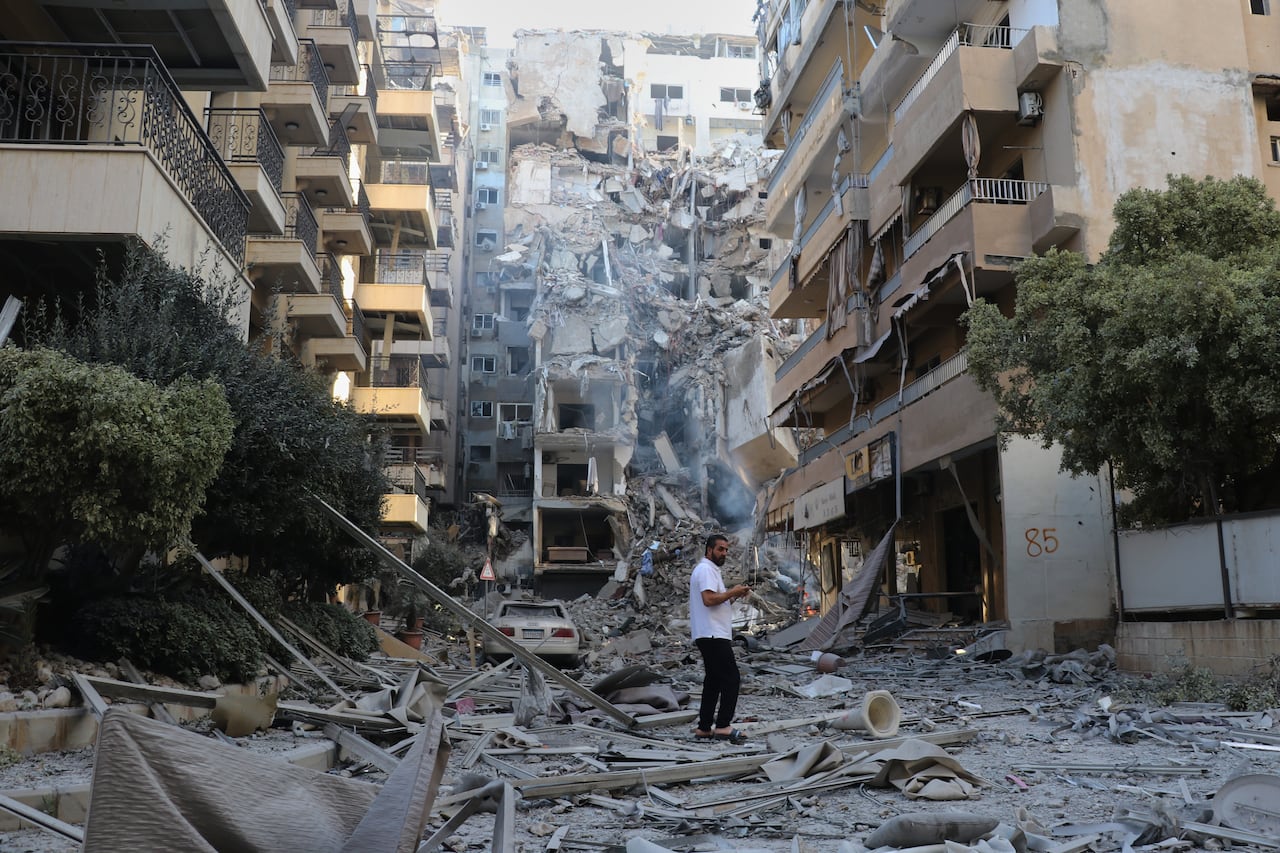
The United States and Iran have reportedly reached an outline agreement to extend their ceasefire by 60 days, pending President Donald Trump's approval, according to Axios reporting confirmed by CBC News. The potential extension comes after Iran targeted a U.S. airbase in Kuwait with drones and missiles on Thursday, which U.S. Central Command called an "egregious ceasefire violation." The conflict, which began on February 28, has already killed thousands and sent global energy prices sharply higher. A critical sticking point remains the blockage of the Strait of Hormuz, the strategic waterway that handled approximately one-fifth of the world's oil and liquefied natural gas traffic before the war, creating what officials describe as an economically damaging logjam.

The Strait of Hormuz has become a focal point for global inflation risks. Trump stated Wednesday that he is not yet satisfied with negotiations and that the U.S. is not discussing easing Iranian sanctions—one of Tehran's key demands. The President also dismissed reports of a draft agreement to restore commercial shipping through the strait to prewar levels within a month, threatening Oman with consequences if it does not cooperate with international standards. Meanwhile, the U.S. Treasury has added the Persian Gulf Strait Authority to its sanctions list, and Iranian Supreme Leader Mojtaba Khamenei has reportedly told parliament that Iran emerged strengthened by the war, suggesting little appetite for rapid de-escalation.

Simon Hui Commentary
From a senior Greater Vancouver agent's perspective, this is background noise until it becomes headline inflation. Most clients fixate on local inventory and provincial policy, but energy shocks have a habit of resurfacing as mortgage pain six months later. The key is not overreacting to daily ceasefire headlines, but understanding that prolonged Hormuz closure keeps the Bank of Canada hawkish. For anyone closing this summer, lock your rate and stress-test your payments against $1.50+ litre gas and higher utility bills. The local market will still be there when the geopolitical dust settles; your buying power might not be if inflation reignites.