
Oakridge Mall Opens to Shoppers, But the $2,500/sq ft Pre-Sale Reckoning Is Months Away
Share
News article poster
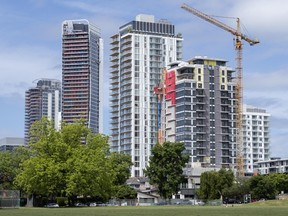
Oakridge Park's retail centre opened this week to considerable fanfare, marking a milestone in the decade-long transformation of the former Oakridge Centre mall. However, the real test for the Westbank Corp. and QuadReal Property Group development arrives later this year when the first residential closings begin. Between 2018 and 2019, the developers sold approximately $1 billion worth of luxury condominium units—more than all downtown Vancouver projects combined during that period—with prices averaging $2,000 to $2,500 per square foot. These pre-sale contracts, signed during the market peak, obligate buyers to complete purchases on the first five residential buildings (four market, one non-market) starting late 2026 or early 2027, regardless of current market conditions.
The timing could not be more precarious. Since mid-2025, Greater Vancouver's pre-sale condominium market has experienced a fundamental correction, with values declining across most segments and thousands of completed units remaining unsold. Real estate agent Mike Stewart, who specializes in pre-sale developments, notes that the original Oakridge Park pricing "was crazy high, even at that time," lacking comparable luxury towers in the immediate area to justify the premiums. The disconnect between contract prices and current valuations is stark: at the recently completed Butterfly tower in the West End, a penthouse that pre-sold for approximately $7,894 per square foot closed in March 2026 for just $5,373 per square foot—a 32% drop that signals potential appraisal gaps for Oakridge buyers.
Question
If I bought a pre-sale unit at Oakridge Park in 2019 for $2,200 per square foot, and the current market value is significantly lower, will my lender finance the full purchase price, or will I need to bring extra cash to close?
ShiMeng Liu Commentary
From a senior Greater Vancouver agent's perspective, Oakridge Park illustrates the risk of buying pre-sales at the absolute peak of a cycle, particularly in emerging submarkets without established luxury comparables. The buyers who committed in 2019 were betting on Vancouver's continued premium growth and the project's unique positioning as a "cultural hub." While the retail opening proves the vision is materializing, the financial math has shifted dramatically. For current clients, this is a reminder that pre-sale contracts are binding obligations, not options, and that "luxury" branding does not guarantee appreciation. The key is not to panic if you are a 2019 buyer—many have the means to close—but to prepare realistically for higher carrying costs and potential negative equity in the short term. For everyone else, this is a case study in why due diligence on developer track records and exit liquidity matters more than glossy renderings.