Richmond's E-Bike Crackdown: Why Illegal Micromobility Is Now a Real Estate Liability Issue for Families and Investors
Share
News article poster
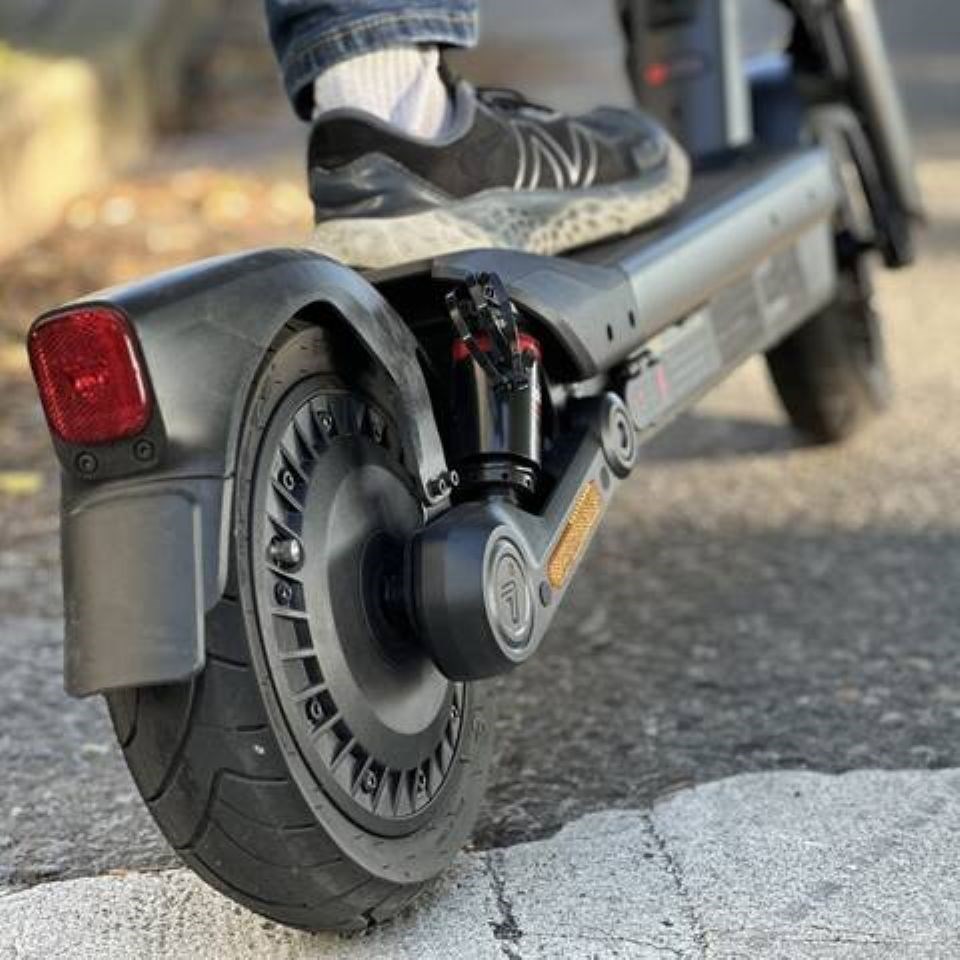
Richmond RCMP has issued a stern warning that many devices marketed as "e-bikes" are actually classified as motor vehicles under B.C. law, triggering significant legal and financial consequences for families. Constable Frank Tarape of the Road Safety Unit emphasized that if a bike can hit 50 or 60 km/h and the pedals are "just for show," it is legally a motor vehicle, not an e-bike. This distinction matters because parents allowing underage youth to operate illegal e-dirt bikes face fines up to $2,000, while riders themselves can receive $368 tickets for stunting and face vehicle impoundment costing approximately $400. Just this week, a 15-year-old North Vancouver teen was caught speeding, doing wheelies, and standing on the seat, resulting in immediate penalties and seven-day impoundment.
The enforcement push comes as Richmond's flat geography and extensive network of dyke trails, multi-use pathways, and bike lanes have made micromobility devices increasingly popular among residents and commuters. However, legal e-bikes must meet strict criteria: working pedals that can propel the bike independently, a motor capped at 500W (or 250W for light e-bikes), and motor assistance that ceases at 32 km/h (or 25 km/h). Riders must be 16 or older for standard e-bikes and 14 or older for light versions. Devices exceeding these limits lack the Canadian Motor Vehicle Safety Standard (CMVSS) label required for registration and insurance, rendering them illegal on all public roads, sidewalks, bike lanes, and dyke trails, restricted solely to private property with owner permission.