
Metro Vancouver's Earliest Water Ban Ever: What Stage 3 Restrictions Mean for Your Lawn, Strata Fees, and Property Decisions
Share
News article poster
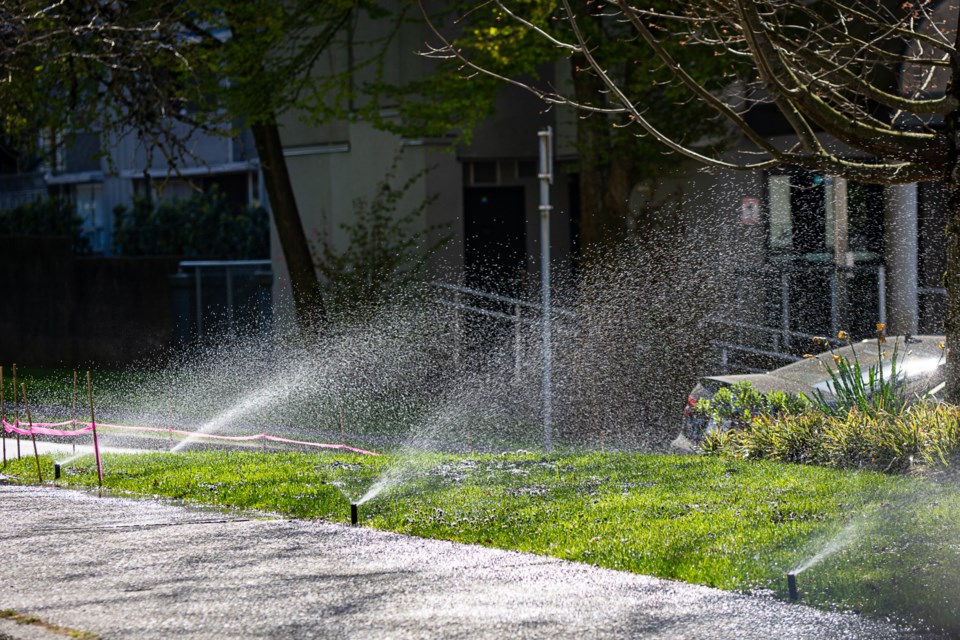
Metro Vancouver is preparing to implement Stage 3 water restrictions as early as the first week of June, which would mark the earliest end to lawn watering in the region's history. Linda Parkinson, the region's director of policy, planning and analysis for water services, confirmed that the decision is imminent given current conditions. Stage 3 measures would prohibit all lawn watering, sprinklers, soaker hoses, and the use of pressure washers or garden hoses for yard cleaning. Washing boats or cars would also be banned outside of spot cleaning for safety purposes on windows, lights, or mirrors. The restrictions come as the region faces a confluence of unseasonably warm weather, a snowpack sitting 23 per cent below historical averages at its lowest level since 2015, and critical infrastructure work on the Stanley Park Water Supply Tunnel that has taken the First Narrows Crossing offline since last fall.
The timing is unprecedented. During the severe drought year of 2015, Stage 3 restrictions did not take effect until July 20. This year, Metro Vancouver bypassed Stage 1 entirely and implemented Stage 2 restrictions on May 1, another historic first. Daily water consumption has already climbed to 1.2 billion litres in May and is projected to reach 1.5 billion litres per day under summer conditions, driven largely by lawn watering (38 per cent of usage), gardening and construction (31 per cent), and increased indoor demand from tourism and new high-rise construction. While the region's three reservoirs remain full, the depleted snowpack means the usual seasonal replenishment is not coming. Parkinson describes the snowpack as the server that tops off the pint glass of reservoir capacity—a service that is effectively offline this year as snow melts rapidly without replacement.

Sarina Han Commentary
From a senior Greater Vancouver agent's perspective, this is less about immediate price impacts and more about shifting buyer expectations. Clients looking at detached homes should tour properties with an eye toward xeriscaping potential, not just lawn size. Investors and developers need to track infrastructure capacity as closely as they track zoning—the First Narrows Crossing project is a reminder that our water system has aging components. The key is not to panic about one dry season, but to recognize that water security is becoming a due diligence item alongside earthquake preparedness and flood plain mapping. Watch how municipalities adjust building requirements this autumn; that will tell you where policy is heading.