
Vancouver Council Reverses Gas Ban and Puts Multiplex Rules Under Review: What Builders and Buyers Need to Know Before the Election
Share
News article poster
Vancouver City Council voted last week to repeal the city’s zero-emission heating requirements for new homes, effectively ending the mandate that space and water heating systems rely exclusively on electricity or heat pumps. The decision, advanced by Mayor Ken Sim and ABC Vancouver councillors, directs staff to amend the Vancouver Building Bylaw to realign with the provincial BC Building Code and allow natural gas installations in new residential construction. Council also voted to scrap Energize Vancouver policies requiring large building owners and strata corporations to submit annual energy and carbon emissions reports. The moves come despite a letter from B.C. Housing Minister Christine Boyle urging delay until Fall 2026, when the province expects to complete cost and impact analyses for energy step codes.

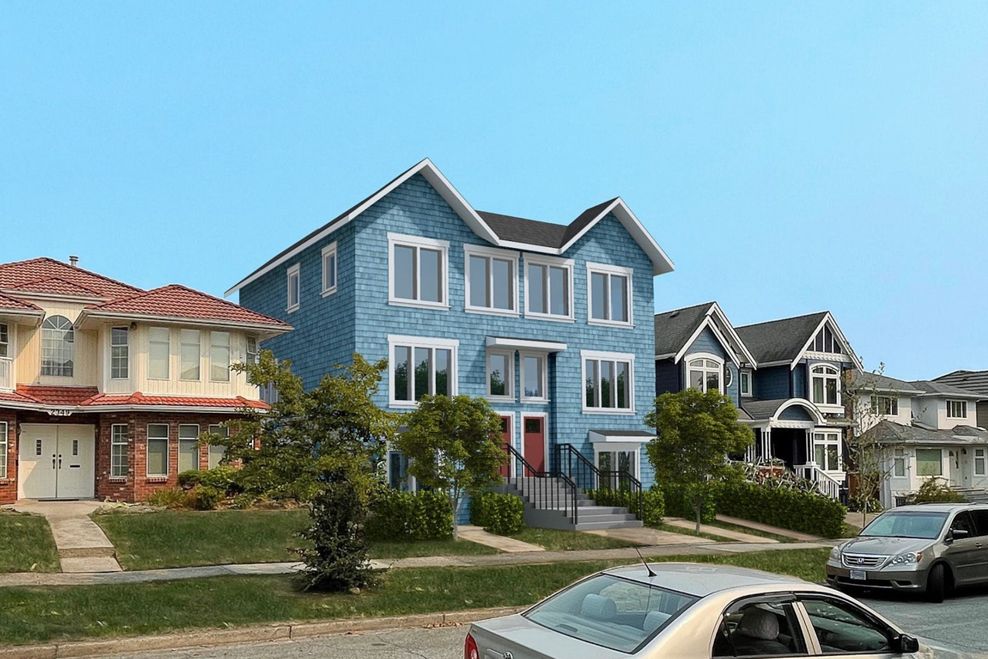
In a separate motion, Council directed staff to conduct an expedited review of Vancouver’s multiplex housing policies, which allow low-rise multi-unit structures on traditional single-family lots. The review signals potential tightening of design guidelines after over 600 multiplex proposals were submitted and more than 280 approved since the policy launched. Concerns from residents about building height, massing, privacy, and neighborhood character have mounted across Metro Vancouver, prompting Burnaby City Council to cut permitted multiplex sizes in October 2025. The Vancouver review aims to align municipal policies with provincial small-scale multi-unit housing legislation while refining design standards.

Jessie Mo Commentary
From a senior Greater Vancouver agent’s perspective, these twin decisions reveal a Council prioritizing short-term affordability signals over long-term climate policy consistency, creating uncertainty for both developers and end-users. The multiplex review suggests we may see a supply constriction if design rules tighten significantly, potentially benefiting existing multiplex inventory while complicating new entry-level housing projects. For natural gas, the political volatility—two reversals in two years—means buyers should focus on system flexibility and resale appeal rather than betting on permanent regulatory frameworks. Investors should monitor the October election closely; a change in Council composition could relitigate both issues. The practical play is securing entitlements now while maintaining optionality on heating technologies.