
Institutional Investors Are Chasing Townhomes as Immigration Caps Shift Demand: What Vancouver Buyers Should Watch
Share
News article poster
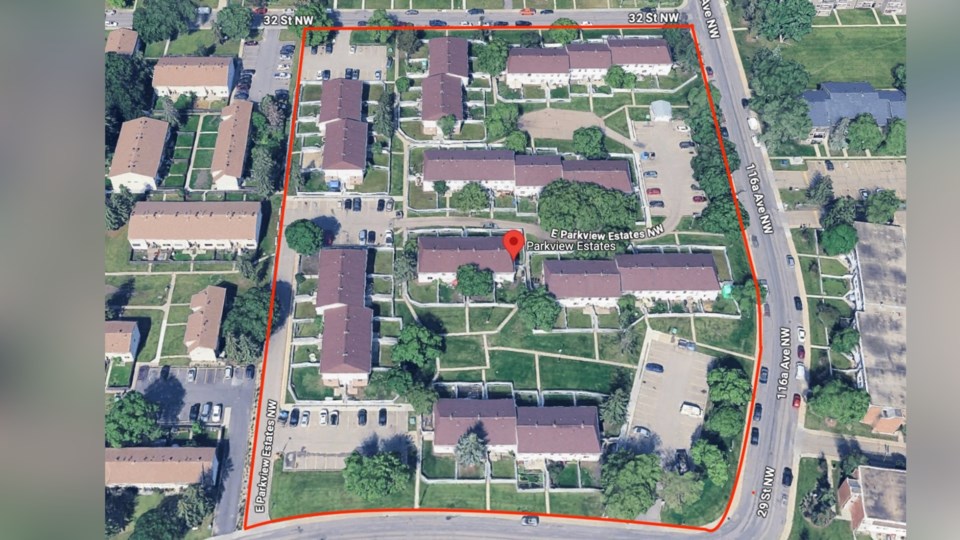
Boardwalk REIT has put 536 rental units in Edmonton on the block with a bid deadline of May 28, 2026, and the standout assets are not the apartment buildings. While townhomes comprise just 19.4 per cent of the portfolio—specifically Parkview Estates, a 104-unit complex built in 1972—they are drawing the keenest interest from institutional buyers. According to Amit Grover, a principal at Avison Young handling the sale, major investors are finally treating townhome product as a commodity rather than leaving it to private landlords. The portfolio also includes Riverview Plaza, a 252-unit apartment built in 1969, and Northridge Estates, a 180-unit apartment from 1978, but buyers are specifically targeting the townhome component for its operational simplicity and tenant stability.
The shift is driven by changing federal immigration policy. With caps on international students and overall immigration reducing the pipeline of single-person households, demand is pivoting toward housing suitable for couples and families. Canada Mortgage and Housing Corp. data underscores the supply mismatch: three-bedroom apartments account for only 9 per cent of purpose-built rental stock, while townhouses represent just 7 per cent of tenanted units nationally. Row and semi-detached homes also make up the smallest share of new residential construction. CMHC has long described these family-sized, ground-oriented units as the "missing middle"—housing for tenants who have outgrown one-bedroom apartments but remain priced out of home ownership.
Question
With immigration caps already hitting Vancouver's rental market, should local investors pivot from condominium rentals to townhomes to capture this shifting family demand?
jasmine Commentary
From a senior Greater Vancouver agent's perspective, this Edmonton transaction is less about Alberta and more about where institutional capital is heading as immigration policy reshapes tenant demand. Vancouver investors have long favored condo rentals for liquidity, but the data on family-sized housing shortages is undeniable. Clients holding townhomes—whether in Burnaby, Coquitlam, or Surrey—may find tenant quality and retention improving even if absolute rents don't spike. The watch item is local zoning: if Vancouver accelerates multiplex approvals, the supply equation changes. Until then, the 'missing middle' shortage persists, making existing stock the default beneficiary. Do not chase yield to Edmonton without understanding the operational differences; instead, apply the lesson locally.