
Carney Signals B.C. Development Fee Cuts: Early Talks Could Reshape Pre-Sale Economics and Stalled Projects
Share
News article poster
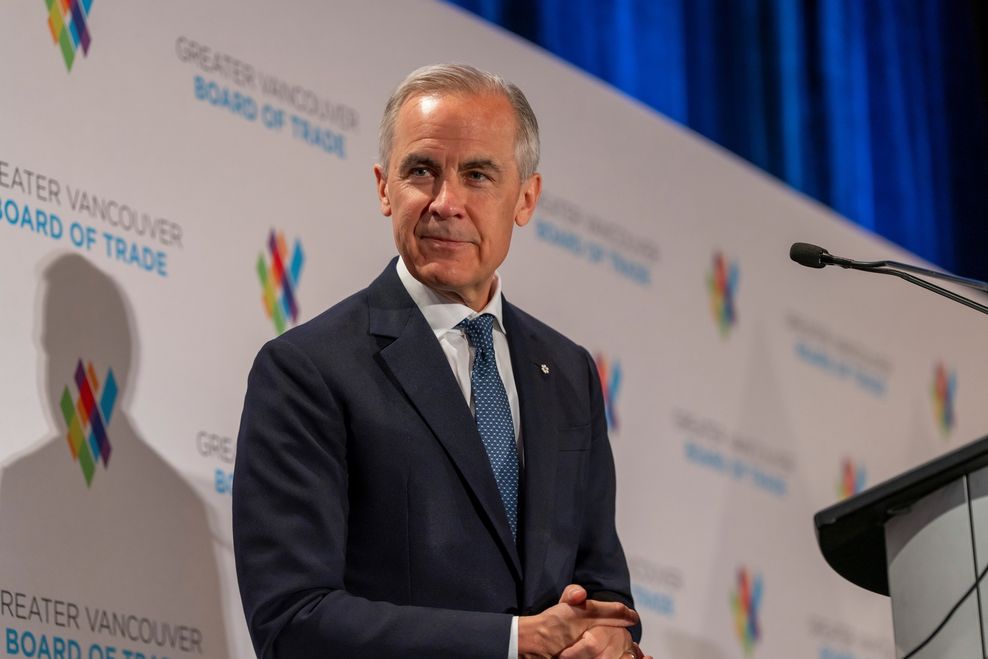
Prime Minister Mark Carney used his May 21 address to the Greater Vancouver Board of Trade to announce that Ottawa is in early discussions with the B.C. government about cutting development fees on new housing construction. Speaking to a packed audience of business executives and investors, Carney confirmed the federal government is exploring a partnership similar to the recent Ontario agreement, which temporarily halved development charges and removed GST/HST from new homes. The remarks came as part of a broader economic vision positioning B.C. as central to Canada's trade diversification, energy security, and critical minerals strategy, with Carney emphasizing that "fortune favours the bold" amid global instability.
The Ontario precedent Carney referenced involves a $4.4 billion federal commitment matched by the province to subsidize municipal infrastructure, allowing cities to reduce development charges by up to 50 percent for three years without sacrificing service delivery. Carney suggested this structural change could lower project costs by approximately $200,000 per unit in Ontario. In Vancouver, Mayor Ken Sim had publicly urged both senior levels of government to secure a similar deal in early April, citing a growing number of housing projects facing pause or cancellation due to rising construction, borrowing, and municipal fee burdens. Municipal governments in Vancouver and Surrey have already introduced some fee flexibilities, but broader provincial-municipal-federal coordination remains pending.

Jacob Gu Commentary
From a senior Greater Vancouver agent's perspective, Carney's speech is less about immediate price relief and more about project viability. We've watched too many Burnaby and Surrey sites die at the rezoning stage because DCCs pushed all-in costs past what the market would bear. If Ottawa actually backfills municipal infrastructure revenue—rather than just mandating lower fees—this could restart dozens of stalled mid-rise projects that fit the "missing middle" the region desperately needs. For clients, the key is separating political signaling from executed contracts. Watch for the B.C. government's response in the next 60 days; if Victoria matches Ottawa's $4.4 billion commitment, then we have a material shift. Until then, treat this as forward guidance, not a closing condition.