
Senakw Tower 1 Opens: Inside the $1,600–$3,500 Rental Homes Changing Kitsilano's Skyline
Share
News article poster
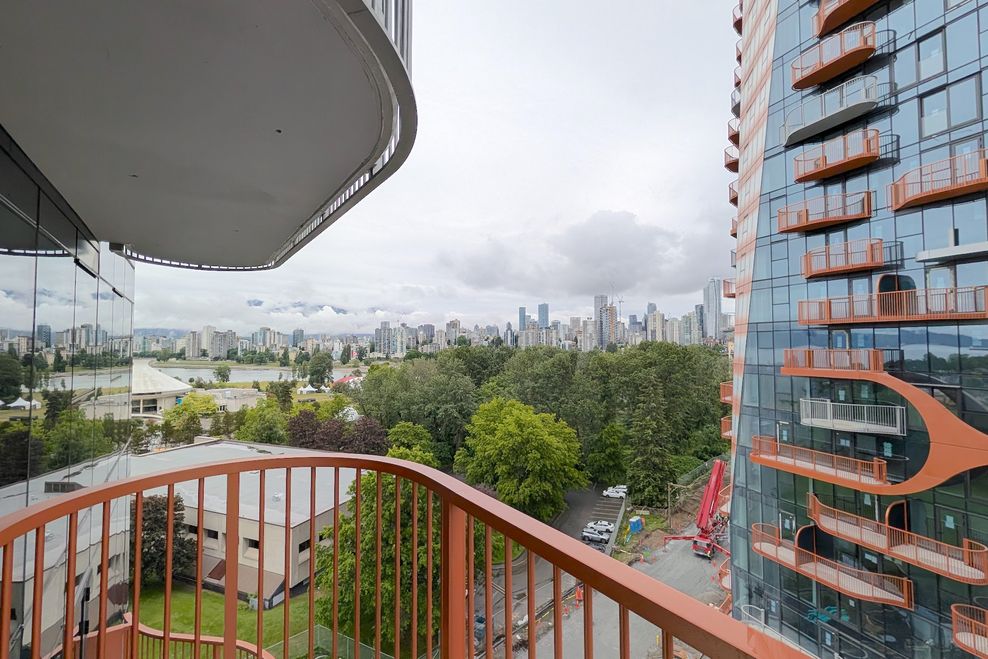
The first residential tower of Senakw officially entered occupancy this week, marking a historic milestone for the Squamish Nation and Vancouver's rental landscape. Tower 1, the 27-storey westernmost building fronting Chestnut Street immediately adjacent to Vanier Park, has begun welcoming its first tenants—starting with Squamish Nation members before expanding to the broader public. The tower contains 333 market rental homes and 67 below-market units, with disclosed rents starting at approximately $1,600 monthly for studios, $2,200 for one-bedroom units, and $3,500 for two-bedroom homes. Unit sizes run roughly 300 square feet for studios, 400 to 550 square feet for one-bedrooms, and 600 to 650 square feet for two-bedrooms, with floor plans varying due to the building's irregular architecture designed by Revery Architecture.
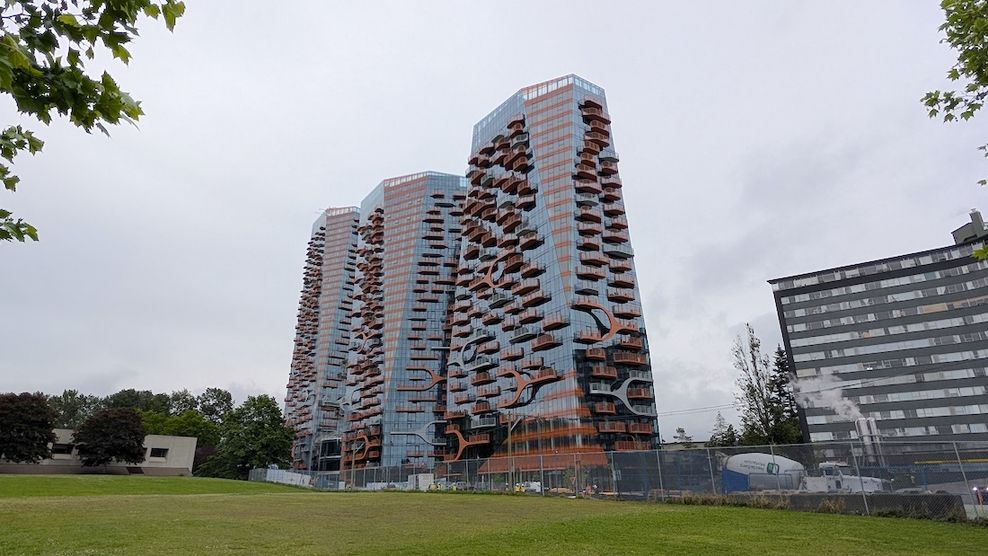
This development represents more than new housing; it is the physical reclamation of lands beneath the Burrard Street Bridge where Squamish families were displaced by government authorities in the early 20th century. After a lengthy legal battle, the 10.5-acre reserve was formally established in 2003. Because Senakw sits on reserve land, it is exempt from City of Vancouver zoning and municipal approvals—a factor that allowed construction to proceed rapidly since breaking ground in late Summer 2022. However, the project follows the BC Building Code and has adopted the protections of the provincial Residential Tenancy Act despite its jurisdictional independence. Managed by Fitzrovia for market units and Hiyám Housing for below-market units, Phase 1 will ultimately deliver approximately 1,400 homes across three towers, including roughly 280 below-market units prioritized for Indigenous residents.

Jacky Chen Commentary
From a senior Greater Vancouver agent's perspective, Senakw represents a fundamental shift in how we think about land tenure and development velocity in Vancouver. The fact that reserve land status allowed three towers to rise in under four years—while conventional projects languish in municipal approvals—offers a stark lesson in regulatory efficiency. For clients, this creates a new rental option with unique cultural amenities and legal protections, but also unique considerations regarding lease structures on reserve land. Buyers looking at Kitsilano condos should view this as neighborhood maturation rather than a threat; the infrastructure improvements and activated waterfront benefit all property owners. The key is understanding that this isn't just another rental building—it's a sovereign economic development that happens to include housing, which changes the risk calculation for nearby investments.