
Telus AI Data Centres Hit Mount Pleasant & Downtown: What It Means for Your Block
Share
News article poster
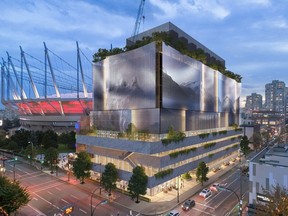
Telus is constructing two artificial intelligence data centres in Vancouver as part of its $1 billion "AI Factory" initiative, with developer Westbank leading construction. The first facility, dubbed M3, is a 100,000-square-foot centre rising in Mount Pleasant at the former Hootsuite headquarters near Main Street and East 5th Avenue, housing 13,000 GPUs and drawing up to 26 megawatts of electricity when it opens late 2026. The second is a planned 400,000-square-foot, 10-storey tower at 150 West Georgia Street in the downtown core, set to accommodate 50,000 GPUs and consume up to 100 megawatts by 2029. Combined with an existing Kamloops facility, the three sites will use 151 megawatts by 2032—enough electricity to power approximately 80,000 homes.
The project arrives amid intense scrutiny over AI's environmental footprint and Vancouver's ongoing housing crisis. Westbank promises these urban facilities will "set a new standard" for sustainability through closed-loop liquid cooling that reduces energy consumption by 80 percent and captures waste heat for 150,000 homes, while using 90 percent less water than conventional centres. However, the proposal has sparked organized opposition, with 750 protesters from the "No AI Data Centres in Vancouver" group marching through downtown on May 23, citing concerns about water usage during impending Stage 3 drought restrictions and the opportunity cost of using scarce urban land for computing rather than housing. UBC sustainability economist Hamish van der Ven specifically noted that even efficient data centres consume land that could otherwise accommodate homes or social housing.
Question
If you own or are looking to buy in Mount Pleasant or near West Georgia Street, should you view these data centres as a neighbourhood amenity that signals tech-sector growth, or as infrastructure that will strain local resources and potentially alter street-level character?

Hong Yu Gao Commentary
From a senior Greater Vancouver agent's perspective, this is less about AI hype and more about the hard reality of land use competition in a constrained market. Mount Pleasant has become ground zero for the tension between keeping industrial space for jobs and converting it to housing. The Telus project threads that needle by reusing existing buildings, but the downtown tower raises harder questions about whether we are prioritizing computing power over bedrooms. For clients, the practical takeaway is to verify infrastructure capacity before assuming any large employment project will automatically lift nearby residential values. Watch the electricity allocation battles—those will tell you more about future development potential than the data centres themselves.