
BC Tribunal Tosses $200 EV Fine: Why This 'Electricity Theft' Case Matters for Condo Buyers
Share
News article poster
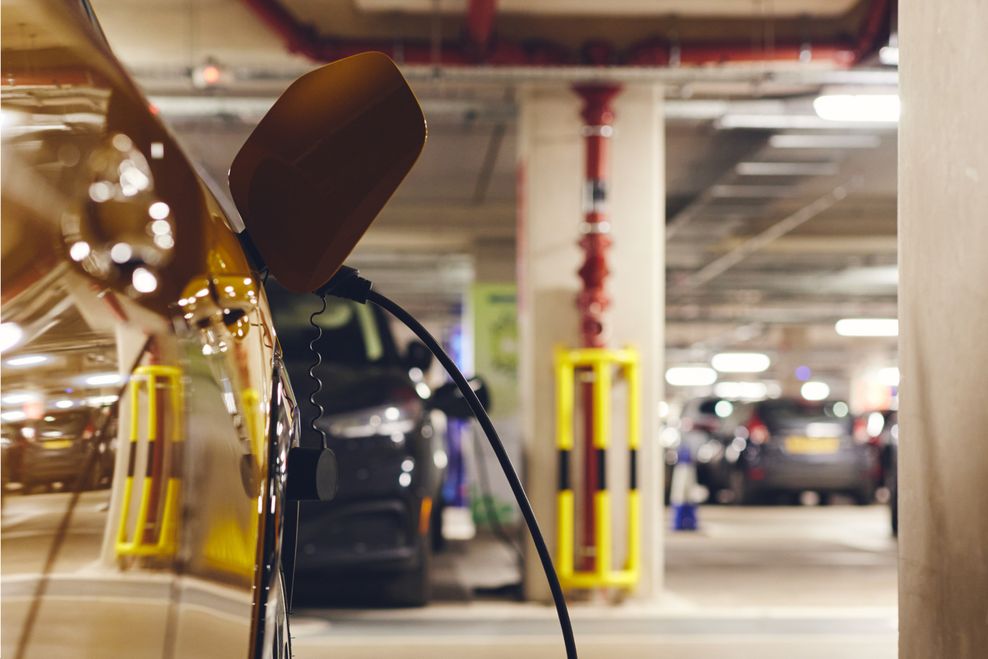
The BC Civil Resolution Tribunal recently overturned a $200 fine imposed by a strata corporation on a homeowner who plugged his electric vehicle into an outlet in the building's underground parking garage. According to the April 2026 decision, the strata had accused the owner of "stealing electricity" and violating bylaws, but the tribunal member found no applicable bylaw existed to support the penalty. The dispute arose after the owner requested permission to charge his EV on December 30, 2023, following an earlier September 2023 email indicating the strata permitted EV charging under specific conditions—namely that only one vehicle charged at a time and owners paid $0.14 per kilowatt hour for tracked usage. Despite this precedent, the strata placed a moratorium on new charging requests by January 2024, then fined the owner in April 2024 after discovering his vehicle plugged in during a routine breaker inspection.
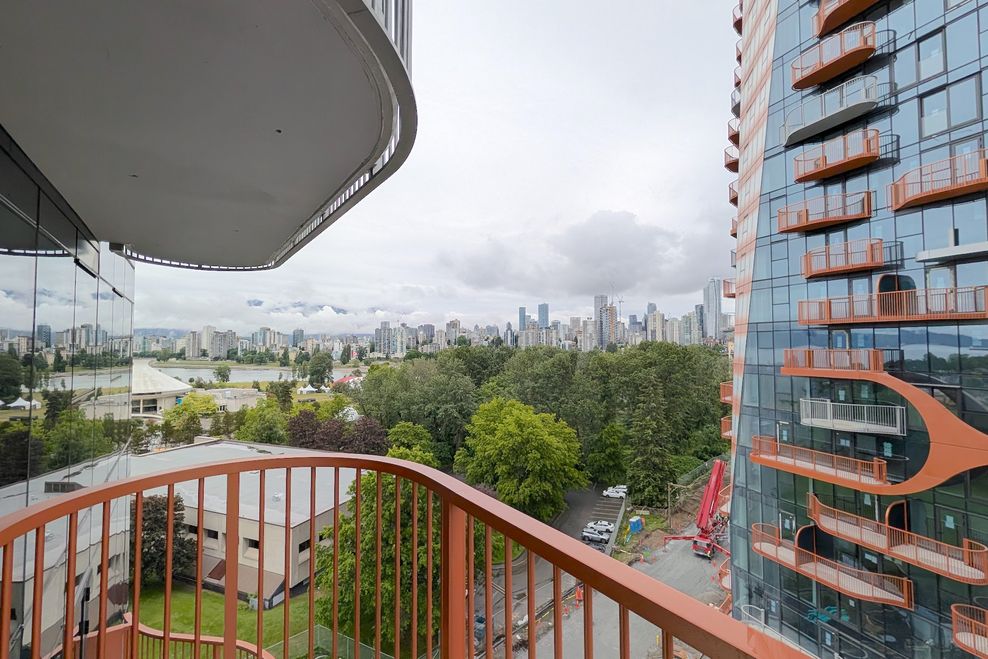
The case exposes the messy intersection of evolving EV adoption and aging strata governance frameworks across Greater Vancouver. While the strata had informally allowed at least two other owners to charge vehicles under the pay-per-use arrangement, the tribunal noted the council failed to establish clear, enforceable bylaws before penalizing the applicant. The homeowner argued this selective enforcement was unreasonable, particularly since the building's electrical infrastructure could apparently handle multiple vehicles simultaneously—evidenced by the February 2024 incident where three EVs were found charging when a stairwell breaker tripped. This gap between informal accommodation and formal governance creates significant uncertainty for the growing number of EV-owning strata residents in Metro Vancouver, where charging infrastructure remains a major concern for both current owners and prospective buyers evaluating older concrete buildings.

Faizal Tejani Commentary
From a senior Greater Vancouver agent's perspective, this case illustrates why EV charging capability has become a critical line item in strata due diligence, not just a nice-to-have amenity. We're seeing more buyers specifically ask about charging rights before writing offers, particularly in older three-story wood-frame buildings and 1980s concrete towers where infrastructure lags behind demand. The key takeaway isn't that owners can charge freely—it's that strata councils must formalize their policies or risk losing disputes. For sellers, unresolved charging governance creates a disclosure liability; for buyers, it represents a potential lifestyle restriction. Watch for buildings that have already navigated the bylaw amendment process—these typically indicate proactive governance that translates to better-maintained properties overall.