
PM Carney Signals B.C. Development Fee Cuts: The $200K Question for Stalled Vancouver Housing Projects
Share
News article poster
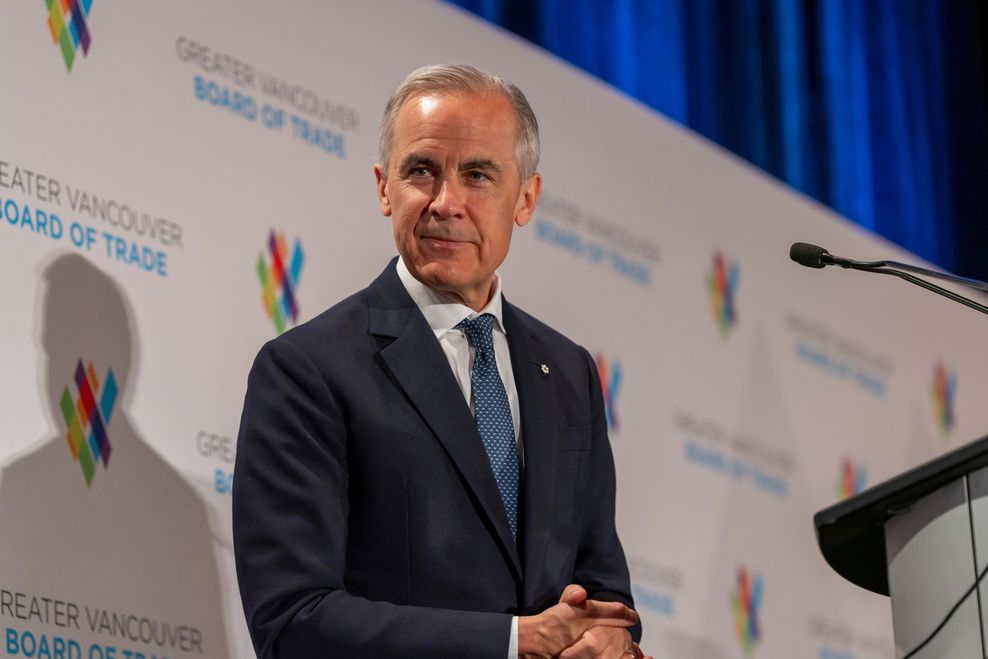
Speaking to a packed audience at the Greater Vancouver Board of Trade on May 21, Prime Minister Mark Carney outlined an ambitious economic vision that placed British Columbia at the center of Canada’s trade, energy, and infrastructure future. Amid discussions of LNG expansion, critical minerals, and nation-building projects, Carney confirmed that his government is in "early stages of discussion" with the B.C. government to reduce development charges on new housing. The remarks signal potential federal intervention in a market where municipal fees have climbed steadily, contributing to project delays and cancellations across Metro Vancouver.
The comments reference a recent Ontario agreement where Ottawa and Queen’s Park each committed $4.4 billion to offset municipal revenue losses, allowing development charges to be cut by 50 percent for three years. Carney suggested similar relief in B.C. could reduce project costs by approximately $200,000 per unit, echoing calls from Vancouver Mayor Ken Sim who urged both senior governments in April to replicate the Ontario model. The proposal arrives as developers cite rising construction costs, interest rates, and municipal fees as reasons for pausing or cancelling pre-sale projects throughout the region.

Dima Tonkonogy Commentary
From a senior Greater Vancouver agent's perspective, Carney’s speech acknowledges what local developers have been screaming for two years: municipal fees have become a primary killer of project viability. The $200,000 figure gets attention, but the real story is the federal willingness to backfill municipal revenue—without that, cities won't play ball. For clients, this means pre-sale inventory might actually get built rather than refunded, but don't expect immediate price relief; lower costs fix supply, not necessarily entry prices. Watch the B.C. government's response speed. If Eby moves fast, Q4 2026 could see dormant sites reactivate. If not, Carney's warning about investing elsewhere should worry anyone counting on federal infrastructure dollars to lift local land values.