
Carney Tells Vancouver Business Leaders: B.C. Housing Development Fees Could Be Cut in Half — Here's What That Means for New Builds
Share
News article poster
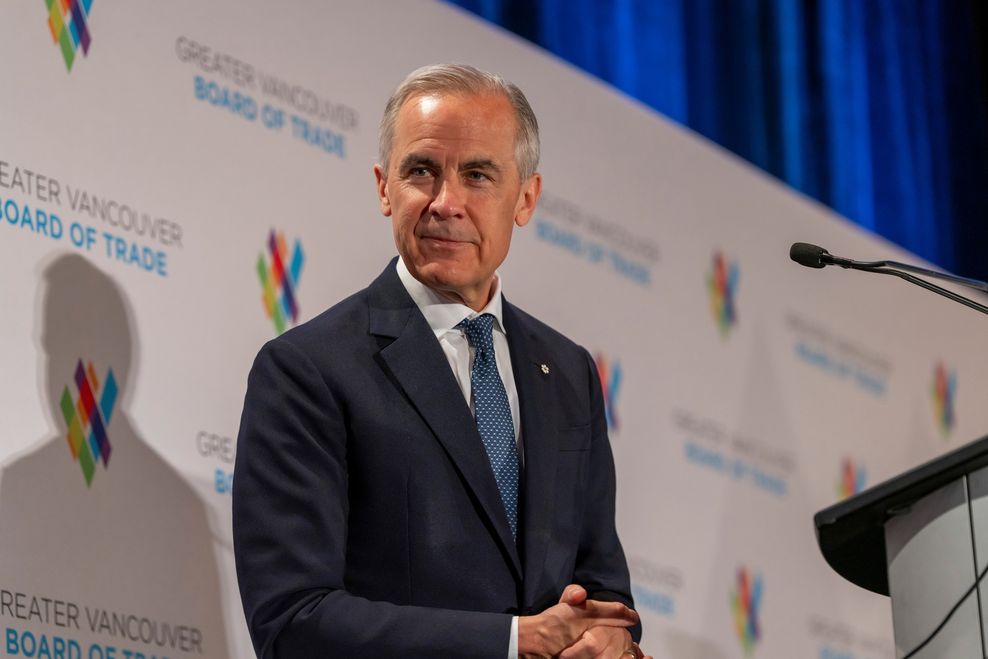
Prime Minister Mark Carney addressed the Greater Vancouver Board of Trade on Wednesday, May 21, 2026, delivering what organizers described as an expansive economic address before a packed audience of business executives, investors, elected officials, and industry representatives. Among the most consequential housing-related remarks of the morning: Carney confirmed that the federal government is in early-stage discussions with the B.C. government about cutting development fees on new housing — a move that could mirror a recently announced Ontario deal. Under that Ontario agreement, development charges were cut in half for three years on new builds, with the federal and provincial governments each committing $4.4 billion to fund infrastructure and offset the revenue reduction for municipalities. Carney suggested some Ontario homes would see up to $200,000 in lower project costs per unit as a result.

The Ontario framework works by having senior levels of government subsidize the fee reductions so that municipal infrastructure budgets are not directly impacted. In B.C., the pressure to find a similar solution has been building for months. Vancouver Mayor Ken Sim publicly called for a comparable federal-provincial agreement in early April 2026, shortly after the Ontario deal was announced, citing a growing number of new housing projects facing pause or outright cancellation due to rising construction costs, higher borrowing costs, and broader economic headwinds. Municipal governments in Vancouver and Surrey had already introduced some fee cuts and flexibilities on their own, but without senior government funding to backstop those reductions, the relief has been limited. Carney's remarks at the Board of Trade represent the clearest federal signal yet that B.C. could be next in line for a structured cost-reduction agreement.

Dima Tonkonogy Commentary
From a senior Greater Vancouver agent's perspective, the most important thing to understand about Carney's remarks is the gap between a political signal and a signed agreement. The Ontario deal is real and has measurable cost implications. The B.C. version is still a conversation. That said, the direction of federal housing policy is now clearly pointed toward reducing supply-side costs, and that matters for how developers, lenders, and buyers think about project viability over the next one to two years. For clients watching the pre-sale market, the practical point is not to wait indefinitely for a deal that may or may not arrive on the same terms — but to understand that the cost environment for new construction in Metro Vancouver is being actively discussed at the highest levels of government, and that the next 12 months could bring meaningful structural changes to how new housing gets priced and financed.