
Metro Vancouver Bus and SeaBus Workers Vote 99% to Strike: What Commute Risk Means for Buyers and Landlords
Share
News article poster

Unifor Locals 111 and 2200, representing over 5,000 transit workers at Coast Mountain Bus Company (CMBC), announced on May 27 that members voted 99% in favor of strike action. The mandate covers transit operators, maintenance workers, SeaBus crews, Community Transit operators, and Spareboard members across Metro Vancouver. Bargaining began in February after the previous collective agreement expired March 31, with key issues including cost-of-living adjustments, health and safety, and retirement benefits. While no strike date has been set, the Joint Bargaining Committee is scheduled to return to negotiations on Monday, June 1. Unifor National President Lana Payne stated the vote signals workers are "resolute" about facing regional affordability challenges.
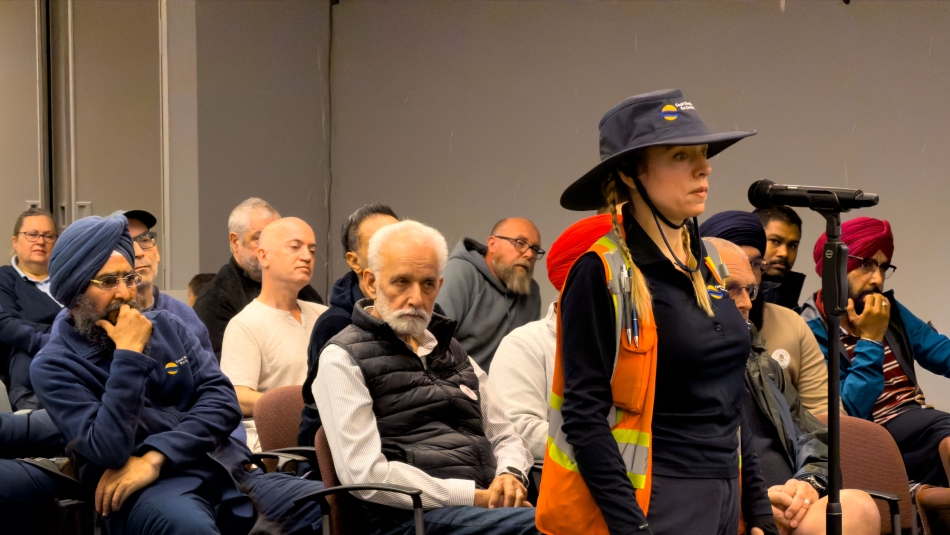
This dispute directly impacts the regional transportation network that connects suburban communities to downtown Vancouver and key employment centers. Unlike the automated SkyTrain system, which operates under a different employer, CMBC controls the bus fleet and SeaBus service connecting the North Shore to downtown. A work stoppage would affect daily commutes for hundreds of thousands of residents, particularly in neighbourhoods where SkyTrain access is limited or non-existent. The union has emphasized that workers are seeking contracts that reflect "the cost of living in one of the most expensive cities in the country," tying the labor dispute directly to the broader housing affordability crisis affecting the region.

Dennis Zhang Commentary
From a senior Greater Vancouver agent's perspective, transit labor disputes create short-term market noise that rarely shifts underlying property values, but they test the operational resilience of specific neighbourhoods. The key differentiator right now is not whether a strike happens, but whether your property or target purchase has commute redundancy. SkyTrain-adjacent inventory typically holds steadier during bus disruptions, while peripheral suburbs with single-transit dependency may see temporary showing slowdowns. For clients in the market this summer, verify commute alternatives now rather than waiting for headlines. This is a logistics issue, not a fundamental value shift, but logistics matter immensely to daily quality of life and tenant retention.