
Surrey Pauses Illegal Construction Crackdown: Why Buyers Need to Double-Check Permits During the One-Year 'Enforcement Holiday'
Share
News article poster
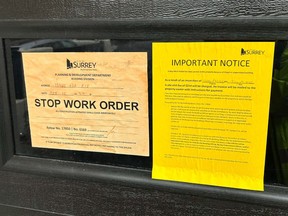
Surrey City Council has approved a one-year pilot program to ease enforcement actions against illegal construction, marking a sharp reversal from the municipality's recent hardline stance on bylaw compliance. The decision, reported by the Vancouver Sun on May 27, 2026, comes despite vocal opposition from Councillor Doug Elford, who publicly characterized the move as "hypocritical" given that Mayor Brenda Locke established a dedicated bylaw enforcement team in 2022 specifically to combat unauthorized building activity. While specific operational details about which violations will be deprioritized remain under internal review, the pilot effectively signals a twelve-month relaxation period where the city will scale back active prosecution of unpermitted construction projects across Surrey, British Columbia's fastest-growing major city.
This policy shift arrives just three years after the current administration intensified efforts to curb illegal builds through specialized personnel and proactive stop-work orders. For real estate stakeholders, the timing creates immediate practical complications. Illegal construction typically encompasses unpermitted secondary suites, unauthorized additions exceeding zoning allowances, structural modifications without engineering stamps, and electrical or plumbing work completed without inspection. Under the previous enforcement posture, Surrey actively issued compliance orders and pursued penalties. The new pilot suggests a temporary tolerance window, potentially affecting thousands of properties—particularly in high-growth neighborhoods like Newton, Guildford, and Cloverdale—where owners may have undertaken work without municipal approvals either during or prior to this enforcement gap.
Question

Danny Huang Commentary
From a senior Greater Vancouver agent's perspective, this pilot program creates a classic information asymmetry situation in Surrey's resale market. The buyers most at risk are those purchasing based on square footage calculations that include unpermitted additions, or investors banking on rental income from basement suites that may not meet fire code or egress requirements. My advice: use this enforcement gap as leverage to negotiate price reductions for thorough permit reviews and professional inspections, but don't treat it as a green light to cut corners on your own projects. The pilot ends in a year, but building codes and disclosure laws last forever. Clients looking at Surrey should ask specifically about permit history—not just for the property, but for comparable sales on the block, since enforcement patterns often reveal neighborhood-specific compliance issues.